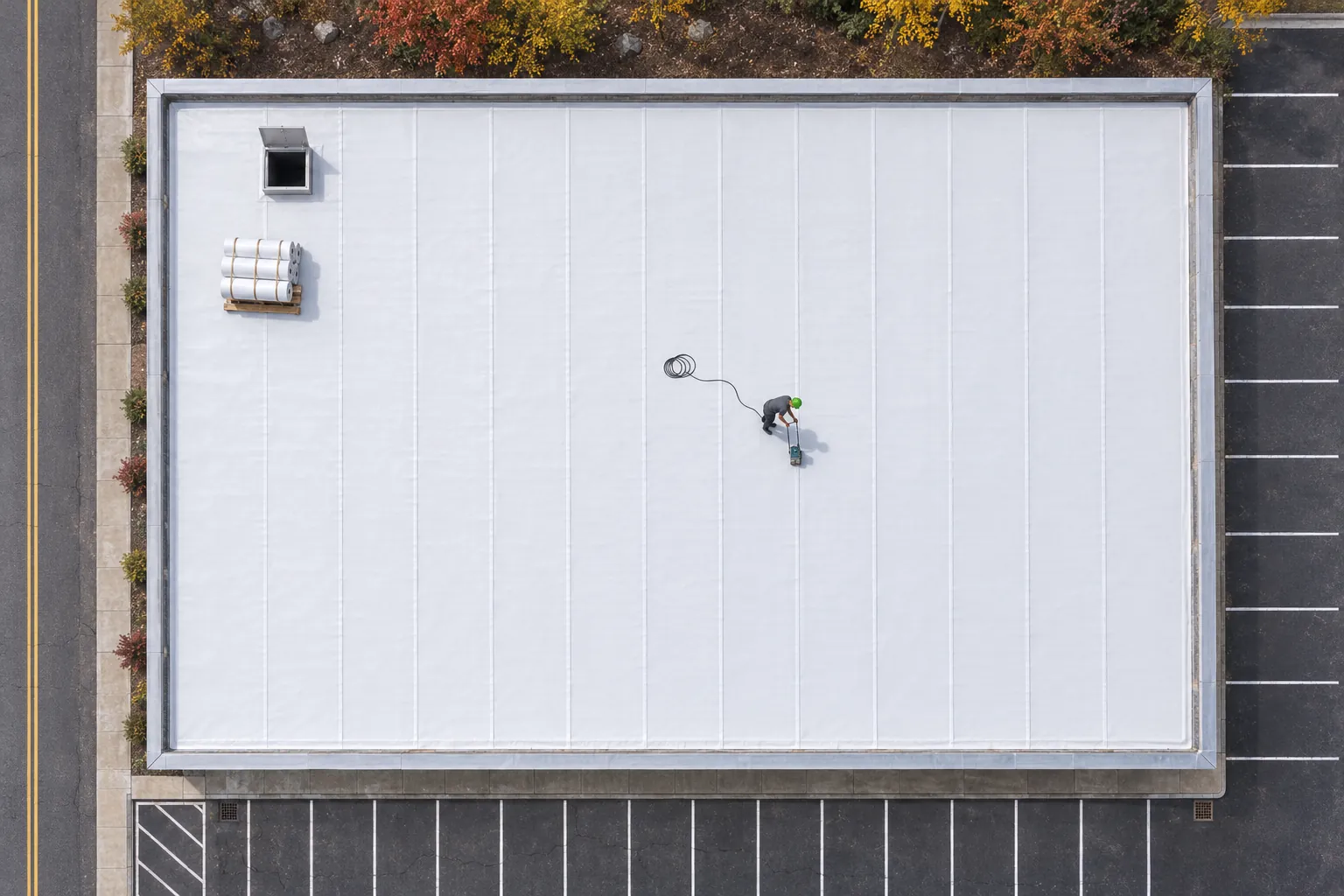
TPO Roofing
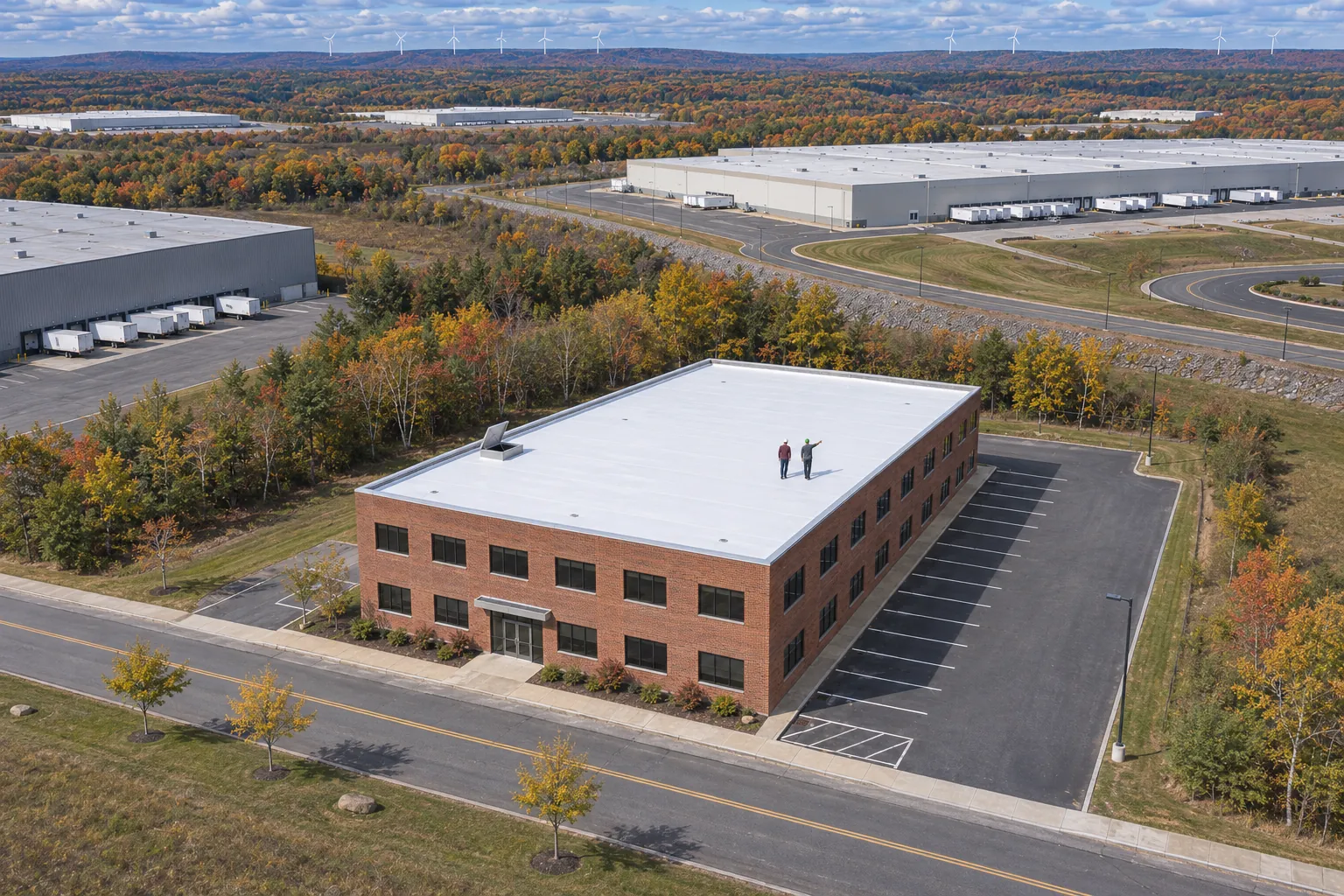
Work covers seams, drains, curbs, flashing, deck.Heat-welded white membrane over new insulation, chosen often for distribution centers, offices, and plant roofs with many curbs.
TPO Roofing in Hazleton
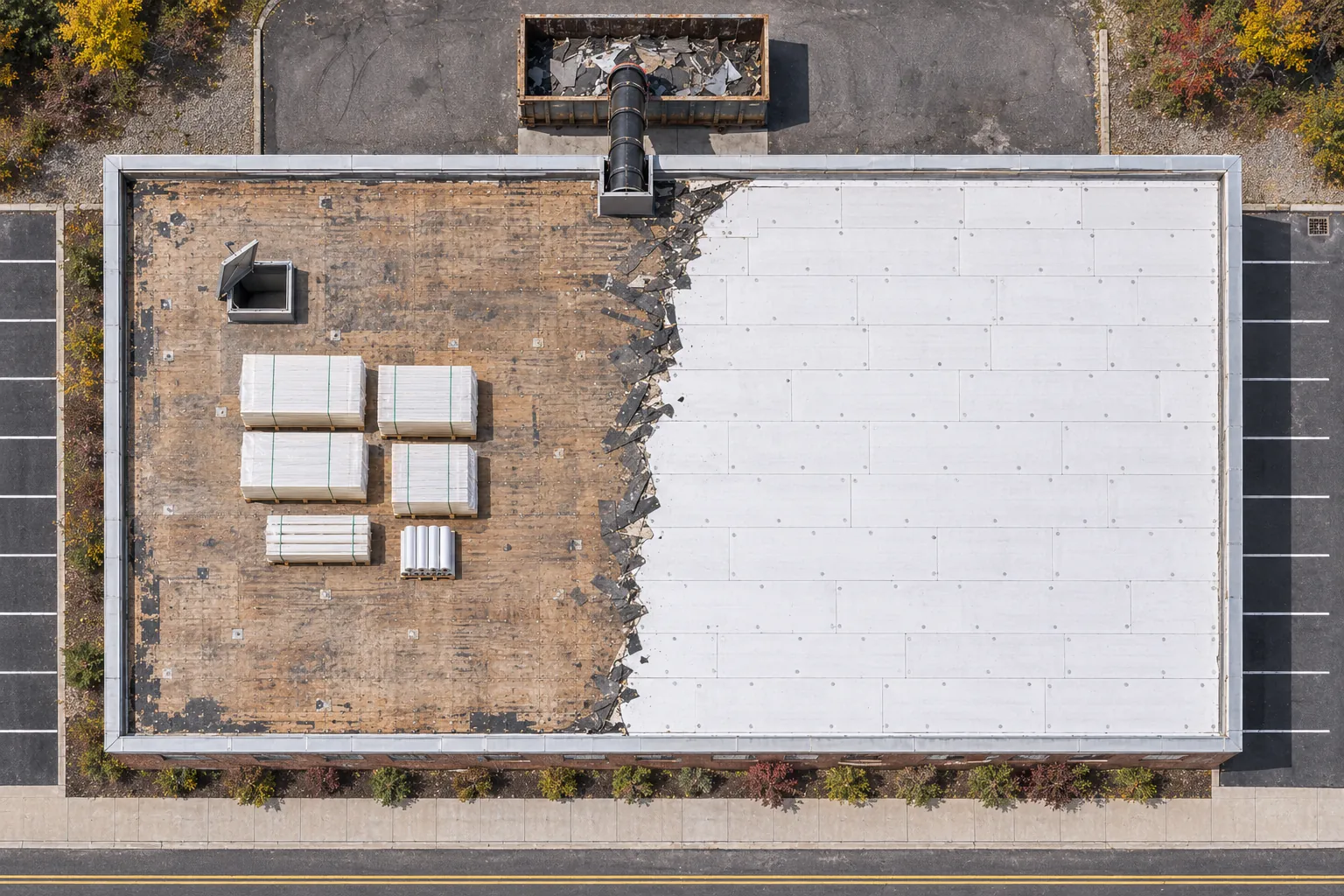
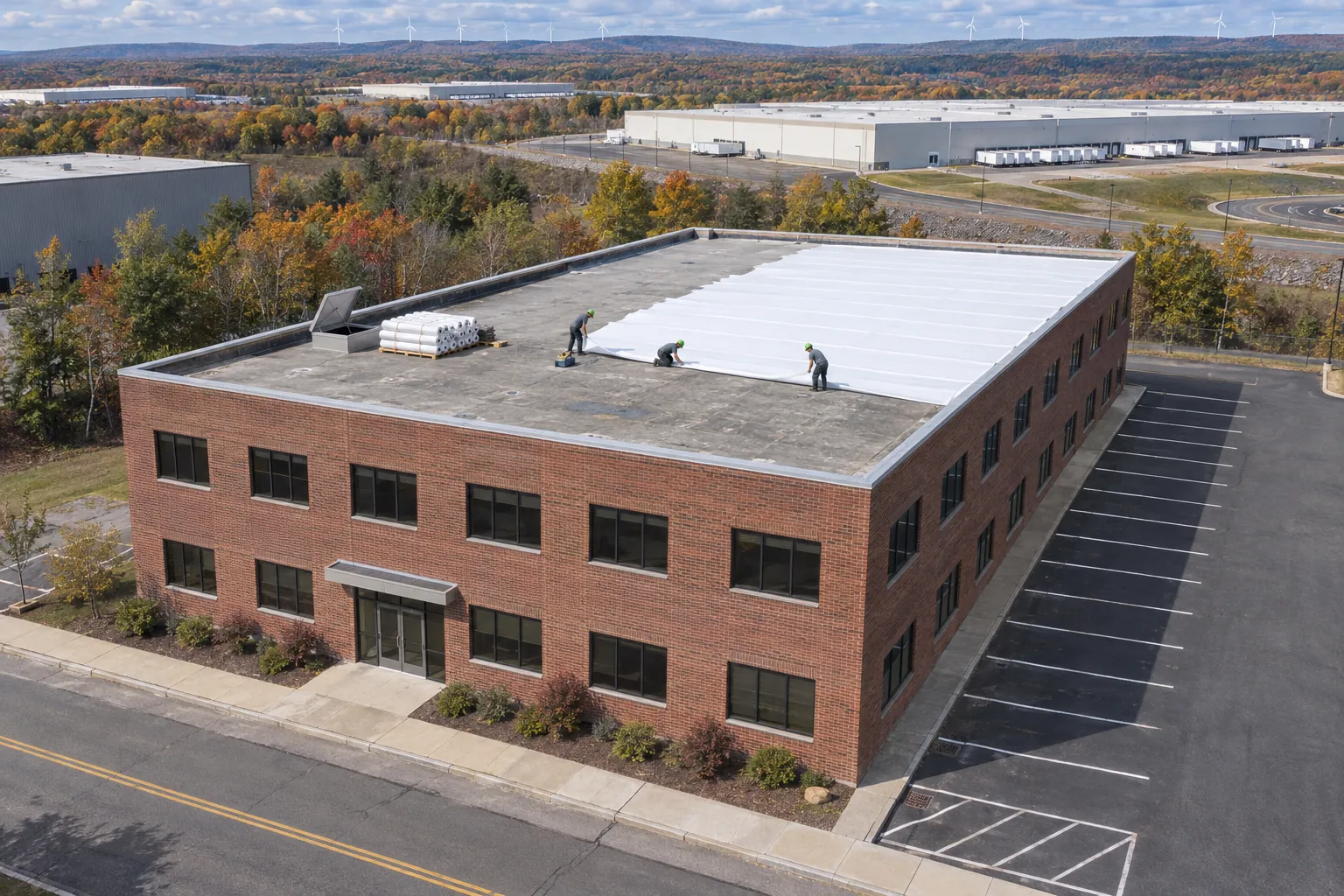
Our commercial roofing services in Hazleton cover TPO, EPDM, industrial, and metal roofs, plus full replacement when the old roof and insulation are past repair.
Each of our commercial roofing services in Hazleton starts with a roof inspection and ends with a written closeout file for your records.
Heat-welded white membrane over new insulation, chosen often for distribution centers, offices, and plant roofs with many curbs.
TPO Roofing in Hazleton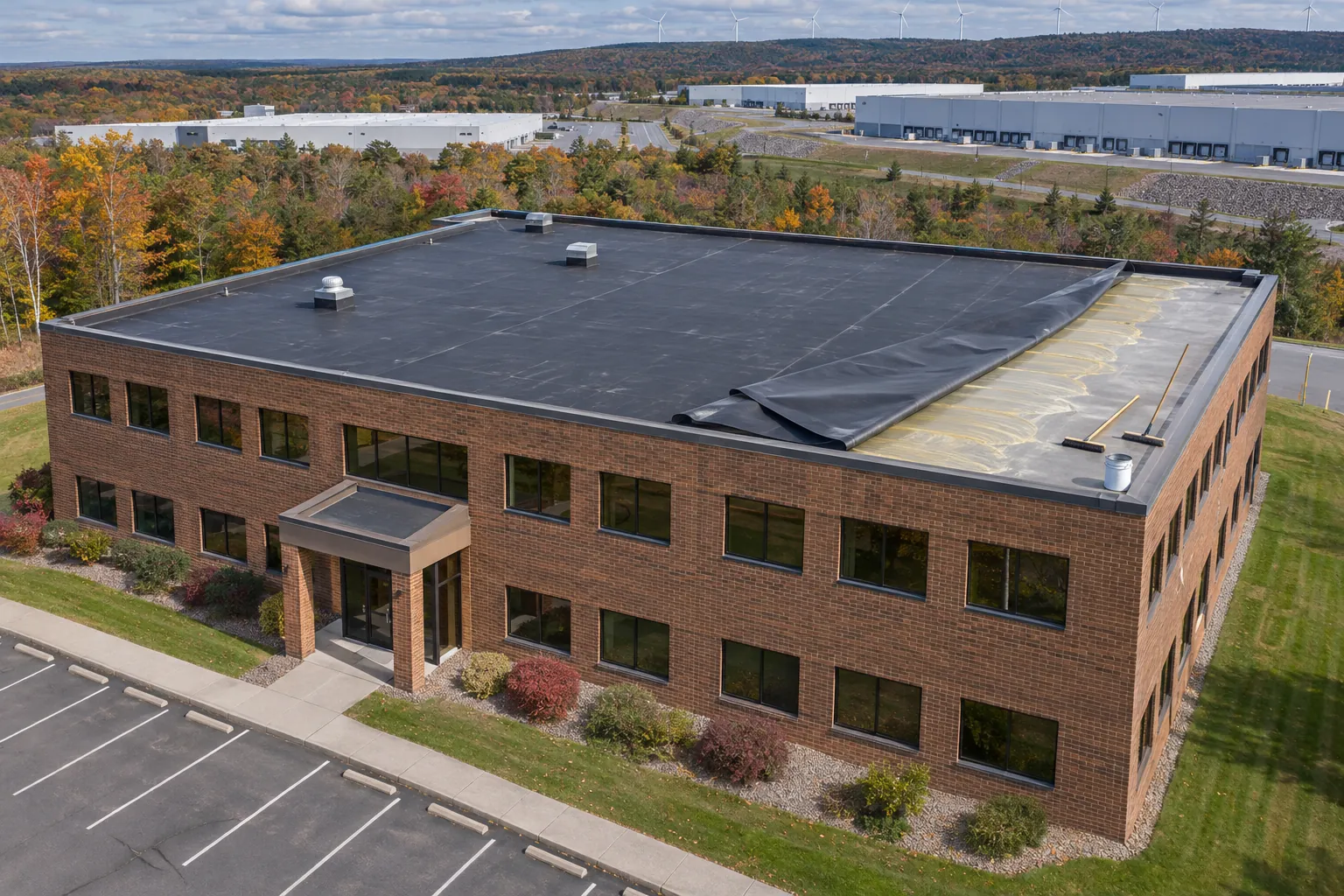
Rubber roofing laid fully adhered, fastened, or under ballast, with taped laps and new flashing up every parapet.
EPDM Roofing in Hazleton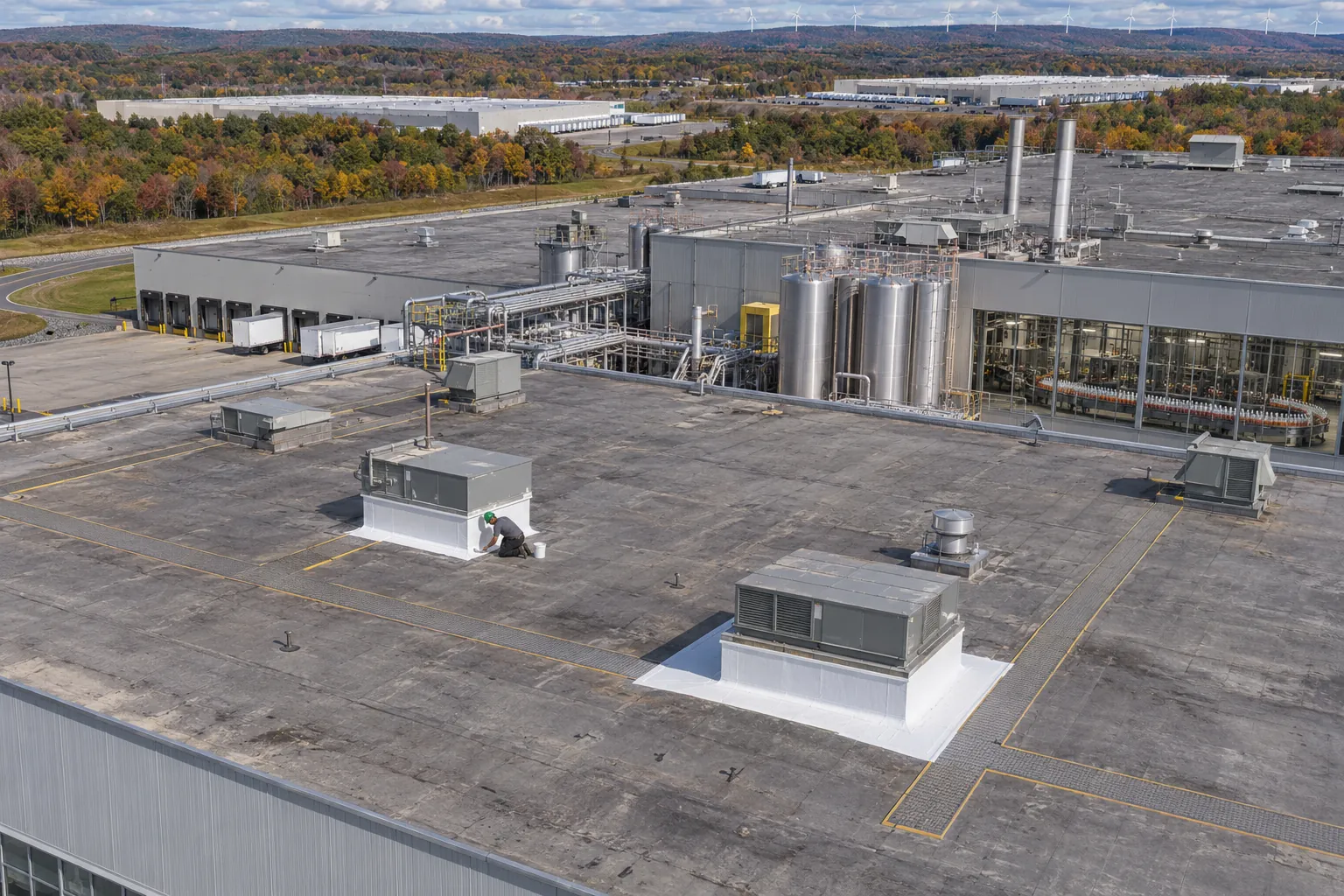
Plant roofs replaced in sections around production, with curbs, walkway routes, and equipment lifts planned in the scope.
Industrial Roofing in Hazleton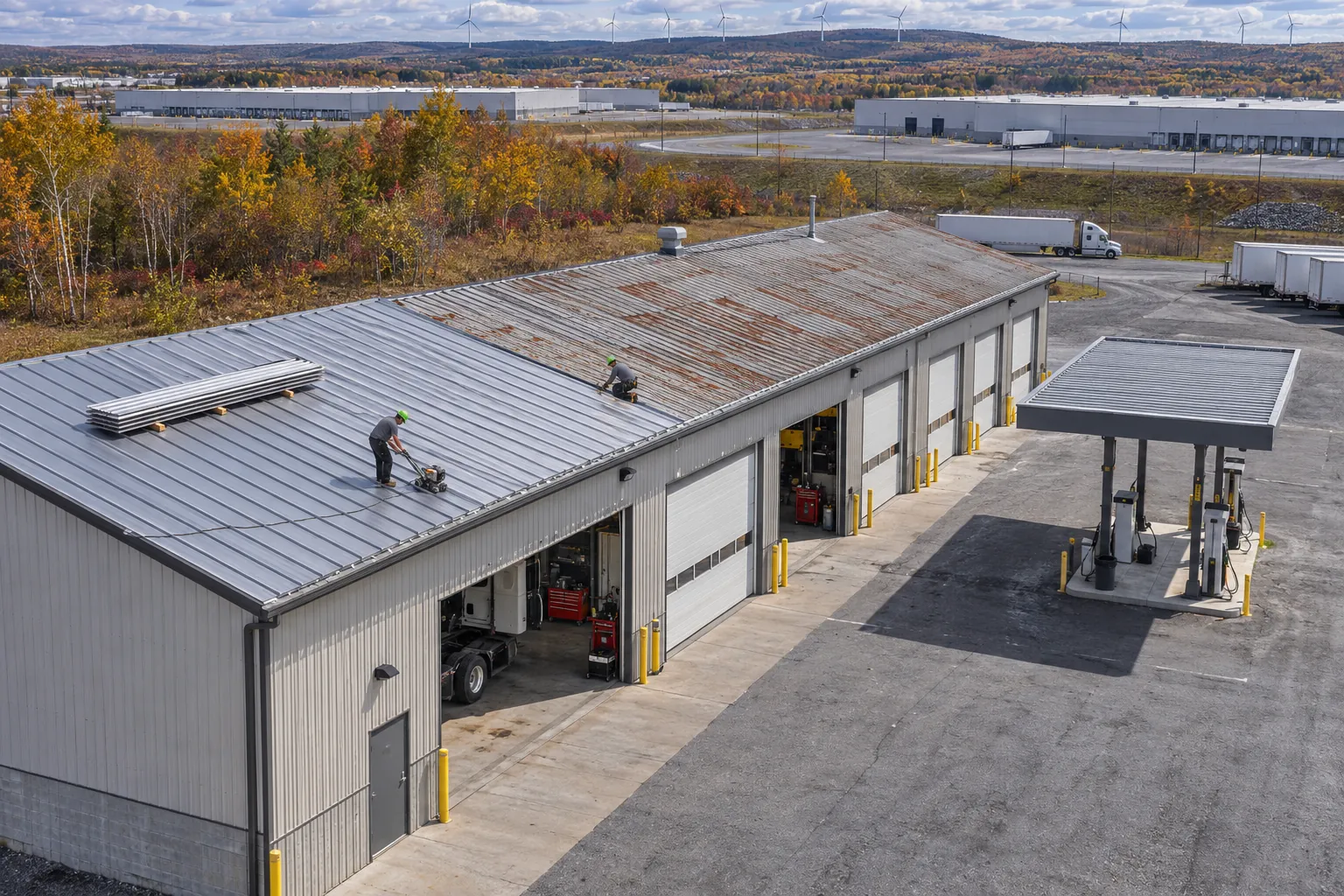
Standing-seam or exposed-fastener steel on shops, garages, and farm buildings, new or set over the old roof.
Commercial Metal Roofing in HazletonA quick read on where each system tends to land. The inspection on your building makes the final call.
| Roof Or Building | TPO | EPDM | Industrial Plan | Metal Panels |
|---|---|---|---|---|
| Large flat distribution roof | Usually fits | Sometimes | Sometimes | Rarely |
| Brick building with tall parapets | Sometimes | Usually fits | Rarely | Rarely |
| Plant roof crowded with units and exhaust | Sometimes | Sometimes | Usually fits | Rarely |
| Pitched steel shop or garage | Rarely | Rarely | Rarely | Usually fits |
| Roof crossed by staff every week | Usually fits | Usually fits | Usually fits | Sometimes |
| Old roof staying in place under new work | Sometimes | Rarely | Sometimes | Usually fits |
Many buildings use two systems, such as TPO on a flat office wing and metal panels on the pitched shop behind it. Where two systems meet, the transition gets its own flashing detail in the scope.
Call and describe the building and the roof. We will inspect it and explain which system fits and why.
The same six steps run under every system we install, from a single shop roof to a full plant.
We start with the leaks you have seen, how the building is used, and any equipment changes coming up on the roof.
Seams, flashing, drains, curbs, and edges are inspected, and core cuts check the insulation where water may have collected.
You get the system we recommend, the reasons for it, and a scope listing removal, insulation, details, and staging.
Work moves section by section, with each one sealed before the crew leaves and the building kept running underneath.
Photos of deck repairs, curbs, and finished details go to you with notes on upkeep for the system installed.
A yearly roof walk after the winter thaw catches open seams and loose flashing early. We note what to check for the system installed on your building.
Full replacement is its own service. These signs point to a tear-off rather than another repair.
Wet insulation across large areas, repeated leaks in new places, and seams failing faster than they can be fixed all point to replacement. Core cuts confirm how far the moisture has spread.
A building carrying two old roofs usually needs both removed before a new system goes on, since the added weight and trapped moisture rule out a third layer.
Rusted or soft deck sections found in core cuts are replaced during the tear-off, with each one photographed and its cost agreed before the new steel goes in.
New rooftop units or relocated curbs are easier to build into a new roof than to patch into an old one, and their curbs can be set to the right height from the start.
Replacement is priced from removal layers, insulation, deck repair, details, access, and season, all listed in the scope so each line can be compared against other proposals.
Leaks that return each thaw at the same walls and drains often mean the flashing and drainage need rebuilding rather than another patch.
Roofs crowded with old patches around vents and fans reach a point where new flashing at every opening costs less than chasing leaks.
Answers on scope, choosing a system, winter weather, hail, codes, and timing a replacement.
Question about your own roof?
Call UsIt should, and our scopes say so. The price lists planned deck repair, insulation, and edge work, and states how hidden damage found during removal gets documented and priced before it is repaired.
Either can, once drainage, attachment, and daily operations are matched. We compare welded TPO laps with taped EPDM seams, then weigh insulation, traffic, and rooftop equipment, along with how service crews reach each unit.
Water held near parapets, outlets, and low spots freezes and expands each winter, so drainage comes first in the design. New roofing has to tie into sound flashing and a drainage route that clears those recurring wet areas.
Hail damage can range from a few bruised areas to a roof that needs replacing. We inspect the covering, seams, flashing, and the materials underneath, and keep our findings separate from the insurance question, which depends on your policy.
Pennsylvania's Uniform Construction Code is the statewide framework. We give the reviewing authority the planned assembly and scope so project requirements are set before construction is scheduled.
Start planning a season ahead when you can. That leaves time for the inspection, core cuts, permit review, and ordering material, and it lets the work land in the warmer months when adhesives and welding run best.
A recover skips removal and disposal, which saves money when the existing roof is dry and only one layer is in place. Wet insulation or a second old roof usually rules it out, and code limits on layers still apply.
Tell us which building and which roof. We will inspect it and recommend the system and scope that fit.